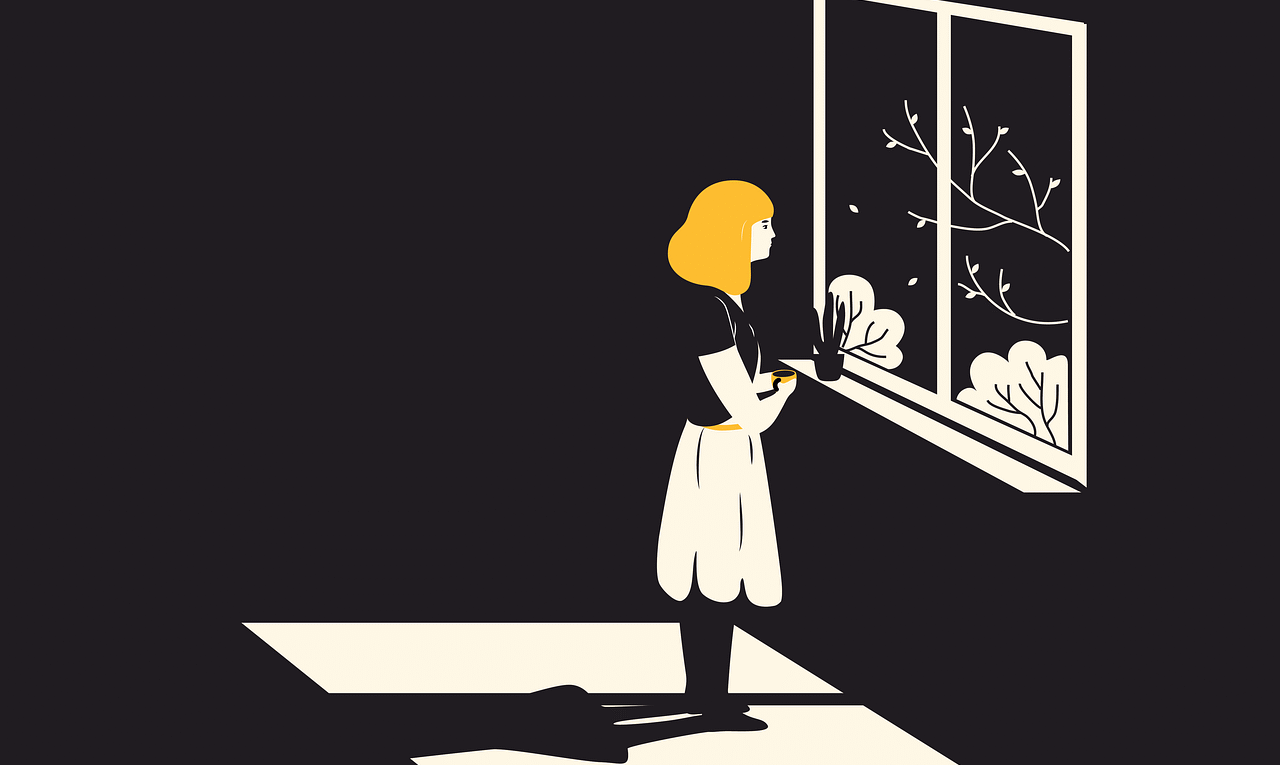
Invisible Pain Is Still Real: Breaking the Stigma Around What We Cannot See
Invisible Pain Is Still Real: Breaking the Stigma Around What We Cannot See
Invisible pain is real. Discover how stigma harms those suffering silently and why empathy, awareness, and understanding are vital for healing.
Read Disclaimer
There is a strange kind of silence that surrounds invisible pain. When someone walks into a room with a broken arm in a cast, there are questions, sympathy, and offers to help. But when someone walks in with pain that doesn’t show—whether it’s chronic fatigue, a throbbing back, relentless migraines, or the heaviness of depression—often the room remains quiet. The pain is real, sometimes even unbearable, yet because it is unseen, it is questioned, dismissed, or misunderstood. For many people living with conditions that cannot be measured with an X-ray or spotted on a scan, the most difficult part isn’t just the suffering itself—it’s the loneliness of not being believed.
Invisible pain takes many shapes. It can be the relentless ache of fibromyalgia, the daily battle of irritable bowel syndrome, the unpredictable nature of autoimmune diseases, or the draining force of mental health struggles like anxiety or post-traumatic stress disorder. None of these are visible in the way a cut or bruise might be, yet they have the power to shape lives, disrupt careers, strain relationships, and erode confidence. People living with these conditions often hear phrases like, “But you look fine,” “Maybe it’s just stress,” or “Are you sure it’s that bad?” The implication is clear—if others can’t see the pain, then maybe it isn’t real. And this, more than anything, deepens the wound.
The truth is that invisible pain is every bit as real as the pain we can witness with our eyes. In fact, scientific research shows that the brain processes both visible and invisible pain in similar ways. Functional MRI scans, for instance, reveal that chronic pain activates neural networks even when there is no visible injury to justify it. Pain, by its very nature, is subjective. There is no universal scale to measure it, no blood test to confirm its intensity. It exists in the personal experience of the sufferer, and that makes trust and compassion essential.

Yet society is still learning how to break free from the stigma. Too often, we equate visibility with legitimacy. This mindset pushes people to hide their suffering, fearing judgment or disbelief. A person with arthritis may force a smile through the stiffness. Someone with depression might say, “I’m fine,” even when they feel like they are drowning inside. This invisibility can lead to isolation, as people stop opening up, stop seeking help, and start internalizing the idea that their pain is a burden. What begins as a physical or mental struggle often becomes compounded by shame.
One of the biggest challenges with invisible pain is that it doesn’t fit neatly into the rhythm of daily life. Unlike a temporary flu or an obvious injury, chronic invisible pain lingers. It doesn’t have a fixed timeline, and it doesn’t announce its presence in ways others can easily understand. This unpredictability makes it harder for friends, employers, and even doctors to empathize fully. Someone may appear energetic at a family gathering, then spend the next two days in bed recovering from the effort. To an outside observer, it can look like exaggeration or inconsistency, but for the person living it, this is their normal.
Medical science is catching up, but not fast enough. Research on conditions like fibromyalgia, chronic fatigue syndrome, or long COVID has shown how deeply complex the human body is. There are immune responses, nervous system misfires, hormonal imbalances, and psychological effects all woven together. And yet, because these conditions don’t always appear on standard tests, patients are sometimes dismissed as “complainers” or “hypochondriacs.” That dismissal doesn’t just hurt feelings—it can delay proper care, worsen conditions, and rob people of the chance to live with dignity.
The stigma surrounding invisible pain doesn’t only come from strangers or institutions—it can show up in the closest of circles. Family members may express frustration, wondering why their loved one can’t just “push through.” Friends may pull away when plans are canceled too often. Even workplaces can be unforgiving, labeling someone as unreliable when they’re really battling exhaustion just to show up. Over time, these reactions create an internalized doubt in the sufferer. They may start questioning themselves, wondering if they are overreacting, or if their pain really is “all in their head.” But the irony is that even when pain is “in the head”—like migraines or depression—it is no less real, no less worthy of compassion.
Breaking this stigma begins with awareness, but awareness alone is not enough. Compassion must follow. When we learn that pain doesn’t always look the way we expect, we begin to listen differently. Instead of demanding proof, we can choose to believe. Instead of comparing one person’s struggle to another’s, we can respect each individual journey. Language matters too. Phrases like “You don’t look sick” or “Everyone gets tired” minimize lived experiences. What might feel like encouragement often lands as invalidation. Replacing these with simple acknowledgments like “I hear you” or “That sounds really hard” makes a world of difference.
Invisible pain also calls for systemic change. In healthcare, doctors need more training on how to evaluate and treat conditions that don’t always leave clear traces. Insurance systems must recognize the legitimacy of chronic illnesses that aren’t captured in lab results. Workplaces must develop policies that account for the realities of fluctuating energy levels, allowing flexibility and empathy without penalizing employees. Schools, too, must learn to accommodate children who may look fine on the outside but struggle with invisible health issues inside the classroom.
On an individual level, those living with invisible pain face the daily challenge of balancing self-care with social expectation. Some days, it means saying no to activities, even when guilt lingers. Other days, it means asking for help, even when pride resists. And sometimes, it’s about finding small moments of relief—through meditation, gentle movement, or therapy—that don’t erase the pain but make it more bearable. Many people also find empowerment in connecting with communities where invisible pain is understood. Online support groups, patient advocacy networks, and mental health platforms offer validation where society often falls short.
There’s also an important cultural shift needed in how we think about strength. Too often, strength is portrayed as the ability to endure silently. But true strength may lie in vulnerability—the courage to admit, “I am hurting,” and the resilience to keep going despite it. When people living with invisible pain share their stories, they chip away at stigma and open the door for others to speak up. Every voice added to this conversation brings us closer to a world where unseen suffering is met with compassion instead of doubt.
The power of storytelling cannot be overstated. When someone shares how they’ve navigated invisible pain—whether through memoirs, blogs, podcasts, or conversations—they humanize what otherwise remains hidden. They give a face to the statistics, a voice to the silence. Their honesty helps others feel less alone and helps outsiders understand that just because something cannot be seen does not mean it isn’t there.

Science continues to reveal more about the deep connections between the mind and body, showing that invisible pain often has measurable biological roots. Chronic stress, for example, changes how the body processes pain signals. Trauma rewires the nervous system, leaving behind invisible scars. Even inflammation, often hidden, has been linked to depression, fatigue, and brain fog. These insights remind us that invisible pain isn’t imaginary—it’s complex, multifaceted, and deserving of respect.
At the same time, we must remember that invisible pain doesn’t define the entirety of a person. It is part of their story, but not the whole. People living with these conditions are also creators, professionals, parents, friends, and dreamers. Their contributions to the world don’t vanish just because they are hurting. In fact, their ability to live, love, and create while carrying invisible burdens often reflects a resilience that is nothing short of extraordinary.
Ultimately, breaking the stigma around invisible pain requires all of us. It requires listening without judgment, believing without proof, and showing compassion without conditions. It requires institutions to adapt, workplaces to become more humane, and communities to open their arms wider. But most importantly, it requires each of us to pause before assuming, before dismissing, and before speaking words that may deepen another’s isolation.
The next time someone tells you they are hurting, even if you can’t see it, believe them. Offer patience instead of doubt, kindness instead of skepticism. Remember that invisible pain is still pain. And remember that while pain may be invisible, the way we respond to it is not. Our compassion—or lack of it—will always be visible.
In the end, breaking the stigma is not just about recognizing pain; it is about recognizing humanity. Every unseen struggle carries the weight of a person trying to navigate their world with dignity. When we honor that truth, we move closer to a society where no one has to suffer in silence, and where invisible pain is met not with suspicion but with understanding. And perhaps, in offering that understanding, we begin to heal not just individuals, but the world around us.
FAQs with Answers:
- What is invisible pain?
Invisible pain refers to chronic physical or emotional pain that cannot be easily seen by others, such as migraines, fibromyalgia, or depression. - Why is invisible pain often misunderstood?
Because it lacks visible signs, people may assume the person is exaggerating or making it up, leading to stigma and disbelief. - What are some examples of invisible pain conditions?
Fibromyalgia, chronic fatigue syndrome, autoimmune disorders, migraines, irritable bowel syndrome, depression, and anxiety. - How does stigma affect people with invisible pain?
Stigma can cause isolation, self-doubt, delayed treatment, and emotional distress, worsening the individual’s overall condition. - Is invisible pain real even if medical tests don’t show it?
Yes. Scientific research confirms that invisible pain can be measured through brain scans, nerve responses, and immune changes. - How can you support someone with invisible pain?
Listen without judgment, validate their experiences, avoid minimizing language, and offer practical help when possible. - Why do people with invisible pain often feel lonely?
Because others can’t see their suffering, they may not believe them, leading to withdrawal and isolation. - Is mental health pain considered invisible pain?
Yes. Emotional pain such as anxiety, PTSD, or depression is also invisible but deeply real and impactful. - Can invisible pain affect work and daily life?
Absolutely. It can limit mobility, focus, energy, and productivity, often misunderstood as laziness or unreliability. - Why do people with invisible pain say “I’m fine”?
They often hide their suffering to avoid judgment, disbelief, or burdening others with their struggles. - What role does empathy play in invisible pain?
Empathy helps validate and comfort sufferers, reducing stigma and encouraging open communication. - Can invisible pain lead to depression?
Yes. The combination of ongoing pain and lack of validation often triggers depression and emotional exhaustion. - How do doctors diagnose invisible pain?
Through patient history, symptom tracking, specialized tests, and ruling out other conditions, though it can be challenging. - Why do invisible pain conditions fluctuate?
Chronic illnesses often have unpredictable flare-ups influenced by stress, sleep, diet, or weather changes. - Are there treatments for invisible pain?
Treatments may include medication, therapy, lifestyle modifications, physical rehabilitation, and alternative approaches like yoga or meditation. - Why do people doubt invisible pain?
Because humans tend to trust what they can see, anything unseen is wrongly questioned or invalidated. - How can workplaces support employees with invisible pain?
By offering flexibility, remote work options, awareness training, and reasonable accommodations. - Can children experience invisible pain?
Yes. Conditions like juvenile arthritis, migraines, or learning disorders can cause invisible struggles in children. - What’s the connection between trauma and invisible pain?
Trauma can rewire the nervous system, leaving behind chronic, invisible pain symptoms. - Is invisible pain linked to the nervous system?
Yes. Many conditions involve nerve misfiring, hypersensitivity, or altered pain perception in the brain. - How can society reduce the stigma of invisible pain?
Through education, awareness campaigns, compassionate communication, and supportive healthcare policies. - Does invisible pain affect relationships?
Yes. Misunderstanding and lack of belief can strain friendships, marriages, and family bonds. - Can invisible pain be completely cured?
Not always, but management strategies can help reduce intensity and improve quality of life. - Why is storytelling powerful for invisible pain?
Personal stories humanize invisible struggles, helping others empathize and recognize the reality of pain. - What words should you avoid with someone in invisible pain?
Avoid phrases like “It’s all in your head,” “You don’t look sick,” or “Everyone gets tired.” - How can people with invisible pain advocate for themselves?
By openly communicating with doctors, setting boundaries, and seeking support groups. - Does invisible pain affect sleep?
Yes. Chronic pain and emotional stress often disturb sleep, creating a cycle of worsening symptoms. - Can lifestyle changes help invisible pain?
Yes. Diet, exercise, mindfulness, stress reduction, and pacing can make symptoms more manageable. - Why is invisible pain harder for healthcare systems?
Because it doesn’t always show up on traditional tests, requiring more trust in patient-reported symptoms. - What is the most important message about invisible pain?
That it is real, valid, and deserves compassion, even if it cannot be seen with the eyes.
Yo, looking for a solid agent? Agent Bong88 seems like a good place to start. Check ’em out for yourself! agent bong88
Thanks, I’ve just been looking for information about this subject for ages and yours is the best I’ve came upon till now. However, what about the conclusion? Are you positive in regards to the source?
australian online casinos that accept paypal
References:
jobs.thetalentservices.com
online casino with paypal
References:
c3tservices.ca
Just started using 656bet1. Seems like a solid place to play. Large selection of different games and has promotions from time to time. Check it out: 656bet1
Como aprender a ingles Hi there friends, good article and pleasant urging commented here, I am really enjoying by these.
I will immediately grab your rss feed as I can’t in finding your e-mail subscription link or e-newsletter service. Do you’ve any? Please let me recognize so that I may subscribe. Thanks.
References:
Anavar 20mg before and after
References:
empirekino.ru
References:
Random number generator online
References:
https://skubi-du.online
References:
Anavar only before after
References:
socialbookmarknew.win
References:
Anavar before and after female pictures
References:
https://ai-db.science/wiki/Anavar_Before_and_After_Effects_Results_and_Risks
Greetings! Very helpful advice in this particular post! It’s the little changes that will make the biggest changes. Thanks for sharing!
OnlinePurchasePro – User-friendly and premium, buying items is straightforward.
You made some good points there. I checked on the net to find out more about the issue and found most individuals will go along with your views on this website.
StrategicEdgeHub – Easy-to-understand guidance, strategies are actionable in real scenarios.
References:
Kwin casino
References:
https://socialbookmark.stream/story.php?title=wd-40-casino-review-expert-player-ratings-2026
References:
Casino script
References:
http://wiki.0-24.jp/index.php?busiron3
References:
Cannery casino
References:
bookmarking.win
safest steroids for bulking
References:
securityholes.science
Ahaa, its nice discussion on the topic of this piece of writing at this place at this website, I have read all that, so now me also commenting here.
Hello, i think that i saw you visited my site so i came to “return the favor”.I am trying to find things to enhance my site!I suppose its ok to use some of your ideas!!
I do agree with all the ideas you’ve presented in your post. They’re very convincing and will certainly work. Still, the posts are very short for starters. Could you please extend them a bit from next time? Thanks for the post.
References:
Anavar reviews before and after
References:
https://pad.stuve.uni-ulm.de
References:
Anavar 10mg before and after
References:
https://gaiaathome.eu/gaiaathome/show_user.php?userid=1789537
bodybuilding supplements steroids
References:
elearnportal.science
legal injection steroids
References:
postheaven.net
References:
Woman before and after anavar
References:
timeoftheworld.date
how dangerous are steroids
References:
bookmarkfeeds.stream
best steroids for skinny guys
References:
socialbookmarknew.win
References:
Anavar results before and after female pictures
References:
empirekino.ru
all american steroids review|acybgnsynx72k2lagtrdohjfldslpgzigq:***
References:
https://coolpot.stream/
What’s up, I check your blog like every week. Your story-telling style is awesome, keep up the good work!
These are really enormous ideas in regarding blogging. You have touched some nice points here. Any way keep up wrinting.
References:
Europe casino
References:
gratisafhalen.be
online shopping guide – Effortless browsing and secure checkout made buying easy.
References:
Operation blackjack
References:
forum.issabel.org
I will immediately grasp your rss feed as I can not to find your e-mail subscription hyperlink or newsletter service. Do you’ve any? Kindly allow me understand so that I may subscribe. Thanks.
References:
Captain cook casino
References:
bookmarkzones.trade
References:
River spirit casino tulsa
References:
https://lovebookmark.date/
References:
Blackjack software
References:
trade-britanica.trade
Ahaa, its good conversation on the topic of this piece of writing here at this web site, I have read all that, so at this time me also commenting at this place.
References:
Fremont street casinos
References:
https://www.immo-web.ro
References:
Lotto quebec com
References:
downarchive.org
alliance growth platform – Helped focus efforts on meaningful enterprise connections.
References:
Galaxy casino macau
References:
thewilcoxreport.com
References:
Hollywood casino tunica
References:
https://www.demilked.com
References:
Casino mississippi
References:
https://cameradb.review/
References:
Lucky red casino
References:
https://vacuum24.ru/
References:
Hollywood casino toledo oh
References:
https://yogicentral.science/wiki/Scurit_enfant_lave_vaisselle_Candy_CSIN_2d360pb_Rsolu
References:
Potawatomi casino milwaukee
References:
mozillabd.science
References:
Hard rock casino punta cana
References:
lovewiki.faith
%random_anchor_text%
References:
historydb.date
where to buy steroid online
References:
https://dokuwiki.stream/wiki/Test_Confirmacin_Embarazo
%random_anchor_text%
References:
stackoverflow.qastan.be
the best testosterone steroid
References:
https://yogicentral.science/wiki/Oxandrolone
best mass building steroids
References:
https://scientific-programs.science
%random_anchor_text%
References:
https://imoodle.win/
%random_anchor_text%
References:
bookmarkingworld.review
steroids t nation
References:
firsturl.de
steroid growth hormone
References:
wifidb.science
clen steroid
References:
lovebookmark.win
superdrol 250 reviews
References:
linkvault.win
oral steroids for sale online in usa
References:
https://pailpoland7.bravejournal.net/como-comprobar-si-la-hormona-del-crecimiento-es-real-o-falsa
References:
Kings casino rozvadov
References:
mozillabd.science
References:
Chicago casinos
References:
https://empirekino.ru/user/stoolschool6
Greetings! Very useful advice within this article! It’s the little changes which will make the biggest changes. Many thanks for sharing!
References:
Pockie ninja 2
References:
http://karayaz.ru/
References:
Slot machine online
References:
https://fkwiki.win/
References:
Hippodrome casino london
References:
https://lovewiki.faith/wiki/Play_the_Best_Online_Casino_Games_at_Candy96_Pokies_Table_Live
References:
Hard rock casino las vegas
References:
https://morphomics.science/
References:
Royal casino
References:
https://markkarate80.werite.net/usoft-gaming-sexiest-live-dealer-blackjack-game-review
References:
Casino di venezia
References:
elclasificadomx.com
References:
Station casinos las vegas
References:
clashofcryptos.trade
References:
Casino directory
References:
https://pediascape.science/wiki/Top_Real_Money_Online_Casino_2026
I love what you guys are up too. This type of clever work and exposure! Keep up the great works guys I’ve incorporated you guys to my personal blogroll.
References:
Taj mahal casino
References:
https://lindsey-monroe.federatedjournals.com/candy-casino-bonus-codes-january-2026-updated-daily
References:
Online blackjack real money
References:
fravito.fr
Ahaa, its nice discussion concerning this post at this place at this web site, I have read all that, so at this time me also commenting at this place.
References:
Classy coin casino
References:
https://securityholes.science/
References:
Venetian casino macau
References:
http://www.blurb.com
steroids and kidney pain
References:
dubizzle.ca
how to build muscle without steroids
References:
https://mozillabd.science/
10 to the
References:
millippies.com
stanozolol steroids
References:
cqr3d.ru
References:
Peoria casino
References:
dokuwiki.stream
References:
Monte cassino italy
References:
skitterphoto.com
References:
Best online casino bonuses
References:
brewwiki.win
References:
William hill casino login
References:
gratisafhalen.be
References:
Wind creek casino atmore
References:
https://canvas.instructure.com
References:
Lucky nugget mobile casino
References:
baby-newlife.ru
References:
Game machines
References:
jobboard.piasd.org
References:
San diego casinos
References:
https://rentry.co
References:
Stargames casino
References:
https://www.giveawayoftheday.com/
References:
Winner casino mobile
References:
buyandsellhair.com
medical names for steroids
References:
https://aryba.kg/
how to get a prescription for steroids
References:
https://pad.karuka.tech/
I have not checked in here for a while since I thought it was getting boring, but the last several posts are great quality so I guess I will add you back to my daily bloglist. You deserve it my friend 🙂
liquid anavar side effects
References:
https://ritter-jarvis.mdwrite.net
best place to buy steroids 2015
References:
myrick-atkins-3.mdwrite.net
how much are steroids on the street
References:
https://cameradb.review/wiki/Anavar_Erfahrungen_Zyklus_Anavar_Frauen_Steroid_2026
dmaa long term side effects
References:
jobboard.piasd.org
devin physique steroids
References:
https://nerdgaming.science/wiki/Testosterone_Replacement_Pills_FDAApproved
how to buy anabolic steroids safely
References:
dreevoo.com
I enjoy what you guys tend to be up too. This type of clever work and coverage! Keep up the fantastic works guys I’ve added you guys to my own blogroll.
non stimulant fat burners that work
References:
mozillabd.science
steroids illegal in usa
References:
mozillabd.science
anabolic trinity
References:
dudley-gustafsson.mdwrite.net
most popular steroids for bodybuilding
References:
ezproxy.cityu.edu.hk
different types of steroids
References:
may22.ru
gnc fitness app
References:
https://cameradb.review/wiki/Buy_Human_Growth_Hormone
pills to get muscle fast
References:
lovewiki.faith
steroid effects on males
References:
yogicentral.science
what effect does steroids have on your body
References:
https://elearnportal.science/wiki/Meilleur_brleur_de_graisse_2025_notre_top_10_expert
anabolic steroids pics
References:
https://fakenews.win/wiki/Buy_it_now_at_Online_Shop
anabolic supplement review
References:
forum.dsapinstitute.org
pictures of anabolic steroids
References:
https://swaay.com/
natural prednisone alternatives
References:
https://posteezy.com/produkte-zur-appetitkontrolle-online-kaufen-0
testosterone withdrawal symptoms
References:
firsturl.de
natural bodybuilding no supplements
References:
jobboard.piasd.org
winstrol liver damage
References:
https://rentry.co/2dizmerg
dbol hair loss
References:
https://sciencewiki.science/wiki/Complment_alimentaire_pour_maigrir_top_7_des_produits_naturels
best time to take steroids
References:
dodd-mcclure-2.federatedjournals.com
proviron steroid
References:
nerdgaming.science
do steroids work
References:
lideritv.ge
best steroid alternative for mass
References:
https://clashofcryptos.trade/wiki/MinceurDiscount_Produits_rgime_hyperprotin_ctogne_low_carb
best mass building stacks
References:
gustavsen-kelley-5.hubstack.net
female anabolic steroids
References:
ezproxy.cityu.edu.hk
Its like you learn my mind! You seem to know so much approximately this, like you wrote the e book in it or something. I believe that you simply could do with some percent to drive the message house a bit, but other than that, this is fantastic blog. A great read. I’ll definitely be back.
most reputable online steroid source
References:
https://duggan-yu-3.blogbright.net/buy-anavar-50mg-x-60-tabs-1770386814
define steroids
References:
urlscan.io
buy online steroids
References:
https://yogaasanas.science/wiki/Bestes_Abnehmmittel_Stiftung_Warentest_Testsieger_2025
I really like what you guys tend to be up too. This type of clever work and coverage! Keep up the excellent works guys I’ve incorporated you guys to my own blogroll.
I like your writing style genuinely enjoying this website.
steroid cycle transformation
References:
http://mick-el.de/page8.php?messagePage=12401
custom tag hub – Lots of choices and pricing seems really good right now.
Hi! I’ve been reading your web site for a long time now and finally got the courage to go ahead and give you a shout out from Atascocita Texas! Just wanted to mention keep up the great work!
casinos florida
References:
fcla.de
casino 770
References:
http://www.naturfoto-wittgenstein.de
blackjack basic strategy
References:
https://dating-scam.de/index.php?topic=3890.0
paprikaplace hub – Every spice I ordered arrived perfectly and boosted my kitchen creations.
roulette blackshot
References:
https://socialbookmark.stream/
Greetings! Very helpful advice within this post! It’s the little changes that make the largest changes. Thanks for sharing!
penny slot machines
References:
duus-ernstsen.technetbloggers.de
rules of blackjack
References:
http://www.question2answer.org
wild horse pass casino az
References:
bookmarkzones.trade
anabolic steroids for beginners
References:
https://dating-scam.de/index.php?topic=4708.0
casino enjoy santiago
References:
klit-harris.hubstack.net
par a dice casino
References:
https://500px.com
odds converter
References:
jobboard.piasd.org
amsterdam casino
References:
intensedebate.com
android spinner example
References:
pagh-salazar-3.mdwrite.net
gold strike casino tunica
References:
https://numberfields.asu.edu
kickapoo casino eagle pass
References:
https://skitterphoto.com/photographers/2354574/lynge-mccormack
casino nights
References:
may22.ru
silverstar casino spa
References:
linkvault.win
Ahaa, its pleasant discussion concerning this post here at this web site, I have read all that, so now me also commenting at this place.
venetian casino macau
References:
https://justpin.date/story.php?title=alle-instant-online-casinos-beste-bewertungen-hoechster-bonus
casino pa
References:
actualites.cava.tn
hardrock casino albuquerque
References:
https://egamersbox.com/cool/index.php?page=user&action=pub_profile&id=323201
nooksack casino
References:
may22.ru
hammer games
References:
http://phone-mail.us/
casino vegas
References:
https://school-of-safety-russia.ru/user/bushwhorl8/
jouer au poker
References:
https://output.jsbin.com/mifipamusi/
casino pauma
References:
https://www.bigdaddy9711.com/page10.php
green valley casino
References:
http://uchkombinat.com.ua/user/organyoke8/
casino o n net
References:
https://bookmark4you.win/story.php?title=claim-free-chips-bonus-codes-at-fair-go-casino-now
hardrock casino tulsa
References:
https://buyandsellhair.com/author/jawdinner7/
high five casino download
References:
https://panoptikon.org/user/hentalk3/
slots jungle casino
References:
https://bbs.pku.edu.cn/v2/jump-to.php?url=https://mrocasino.blackcoin.co
slot machine symbols
References:
https://escatter11.fullerton.edu/nfs/show_user.php?userid=9590664
I am sure this post has touched all the internet viewers, its really really fastidious paragraph on building up new web site.
bet365 mobile casino
References:
https://firsturl.de/C2umrAz
blackjack chart
References:
https://justpin.date/story.php?title=galaxy-96-casino-review-top-australian-online-casino-experience
grand casino tunica ms
References:
https://ochoa-kirkland.blogbright.net/casino-galaxy-promotions-bonuses-spins-and-rewards
cherokee casino west siloam springs
References:
https://telegra.ph/Smart-Electric–Plug-in-Hybrid-SUVs-Built-for-Tomorrow-Geely-Auto-Australia-Geely-Australia-02-24
casino ladbrokes
References:
http://tehnoprom-nsk.ru/user/reportferry43/
pennsylvania casinos
References:
http://downarchive.org/user/frenchferry94/
wolf run slot machine
References:
https://socialbookmark.stream/story.php?title=welcome-offer-3
valley view casino seating chart
References:
https://cineblog01.rest/user/daybasin72/
slot machine parts
References:
https://gaiaathome.eu/gaiaathome/show_user.php?userid=1864025
online games for mac
References:
https://obyavlenie.ru/user/profile/682196
manoir industries
References:
https://bookmark4you.win/story.php?title=xpokies-no-deposit-bonus-codes
william hill desktop site
References:
https://timeoftheworld.date/wiki/E_wallet_casino_list_for_Australia
queens casino
References:
https://atesoglusogutma.com/user/parcelarch82/
I will right away take hold of your rss as I can’t in finding your email subscription hyperlink or e-newsletter service. Do you have any? Kindly permit me realize in order that I could subscribe. Thanks.
creek casino wetumpka
References:
https://aischool24.com/conubia-nostra-per-inceptos-himenaeos/
mac casino
References:
https://lakeshorenews.com/blog/2022/10/06/giovanni-butera-council-candidate-ward-3/
casino london
References:
https://gpsgotrack.in/etibarli-ruletka-qeydiyyat-bonusu-2025-15-illik-t%c9%99crub%c9%99-v%c9%99zif%c9%99li/
hunger games online game
References:
https://libewedding.net:8081/page-1291/
casino rotten tomatoes
References:
https://www.villascococannelle.com/2022/05/12/bonjour-tout-le-monde/comment-page-2670/
which of the following correctly describes anabolic substances?
References:
https://marvelvsdc.faith/wiki/Medikamente_bestellen_Achtung_vor_Flschungen
are there any good legal steroids
References:
https://wikimapia.org/external_link?url=https://hcgbeilstein.de/media/com_articles/anavar_kaufen_4.html
%random_anchor_text%
References:
https://chessdatabase.science/wiki/Anavar_Erfahrungen_Zyklus_Nebenwirkungen_Vorteile
top 5 muscle building supplement
References:
https://stemfreeze4.bravejournal.net/anavar-nebenwirkungen-was-du-wissen-solltest-jetzt-bei-fatburnerking-m
how to order steroids online safely
References:
https://graph.org/Anavar-kaufen-Oxandrolon-kaufen-02-25
%random_anchor_text%
References:
https://pikidi.com/seller/profile/chainvessel6
newest steroid
References:
http://karayaz.ru/user/chainvessel3/
lumiere casino st louis
References:
https://www.almehrajhajservice.com/haj-process/comment-page-101/
casino barriere
References:
https://watbosa.ac.th/question/tiwwxzz/
betsafe casino
References:
https://mysys.pt/2022/06/21/hello-world/comment-page-6199/
%random_anchor_text%
References:
https://notes.io/esqaW
%random_anchor_text%
References:
https://socialisted.org/market/index.php?page=user&action=pub_profile&id=383298
jupiters casino
References:
https://www.simplywired.co.uk/testimonial/richard-stephens/
Ahaa, its good discussion regarding this piece of writing at this place at this weblog, I have read all that, so at this time me also commenting here.
Greetings! Very useful advice within this post! It’s the little changes that make the greatest changes. Many thanks for sharing!
george thorogood bad to the bone
References:
https://www.elsieisy.com/raped/
steroids stack for mass
References:
https://alushta-shirak.ru/user/lilacbit1/
best legal cutting supplement
References:
https://quaildonald3.werite.net/guide-essentiel-pour-lachat-de-testosterone-securise
steroids benefits and side effects
References:
https://molchanovonews.ru/user/dogpeony5/
best steroids for muscle gain and fat loss
References:
https://travelersqa.com/user/gardenraven9
what are products that are consumed rapidly and regularly classified as?
References:
http://karayaz.ru/user/sphynxarcher5/
synthetic hormone definition
References:
https://matkafasi.com/user/wishforce4
effects of using anabolic steroids
References:
https://waywoman3.bravejournal.net/buy-clenbuterol-usa-legal-clenbuterol-for-sale-online
pro muscle 100 shredded stack
References:
https://peters-yde.technetbloggers.de/what-is-clenbuterol