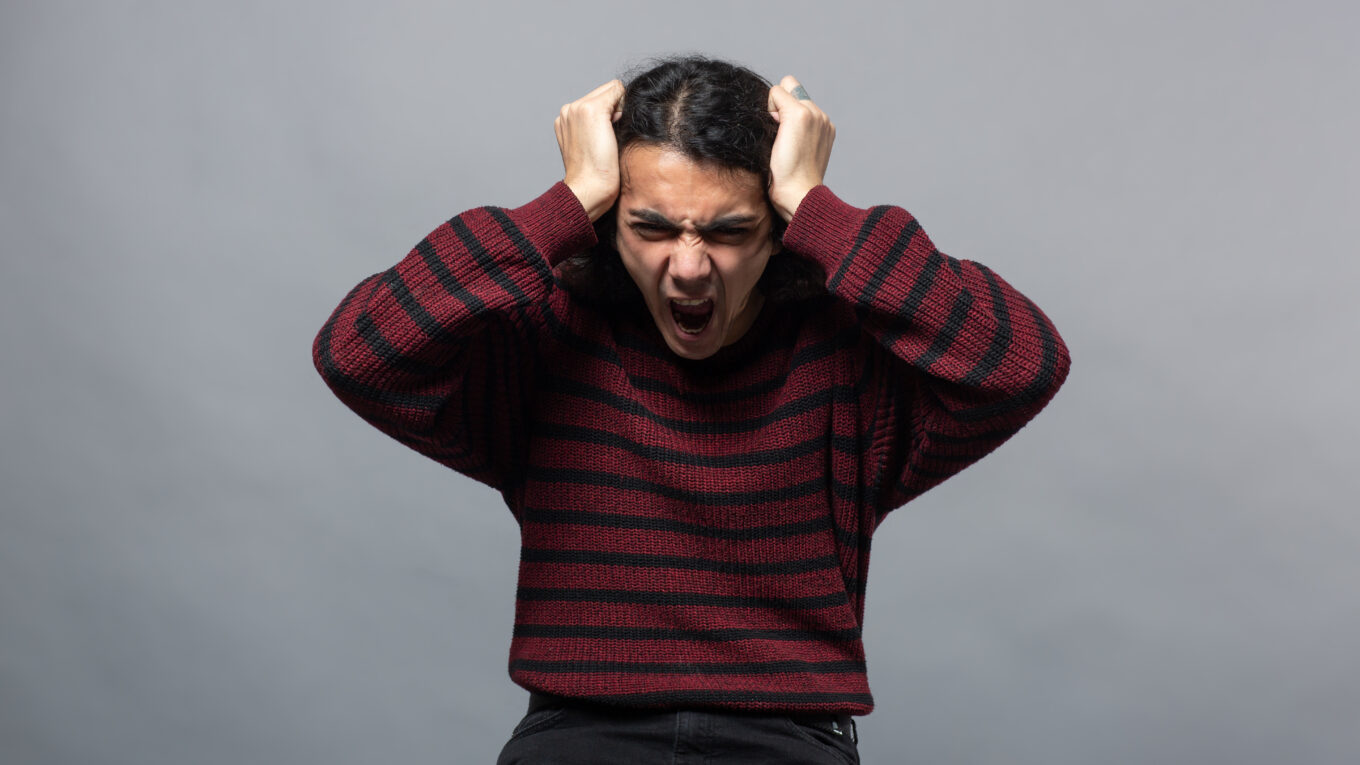
Panic Attacks: What to Do in the Moment and How to Prevent Them.
Panic Attacks: What to Do in the Moment and How to Prevent Them.
Struggling with panic attacks? Learn practical, psychology-backed techniques to calm yourself in the moment and long-term strategies to reduce and prevent panic episodes naturally.
Read Disclaimer
A panic attack can feel like a sudden, tidal wave of fear crashing over you out of nowhere. Your heart races. Your chest tightens. You might feel dizzy, detached, or certain that something terrible is about to happen. Some people feel like they’re going crazy, others fear they’re dying. And though the experience is terrifying, the truth is that panic attacks, while incredibly distressing, are not life-threatening. They are the body’s alarm system misfiring—flooding you with adrenaline in the absence of real danger. But understanding that intellectually doesn’t always help when you’re in the thick of it. That’s why learning both what to do in the moment and how to prevent future episodes is crucial—not only for relief but for reclaiming your sense of safety.
When a panic attack strikes, your first instinct may be to fight it. To try to push it down, distract yourself, or make it stop right away. But here’s the paradox: the more you resist, the more intense it can become. Panic feeds off fear—fear of the sensations, fear of what might happen, fear of being seen or losing control. So the first key step, although it sounds counterintuitive, is to soften your resistance. Remind yourself that this has happened before and that it will pass. You are not in danger, even if your body feels like it is.
Try anchoring yourself with your breath. Don’t aim for deep, forced breaths—that can make you feel more lightheaded. Instead, place a hand on your belly and aim to slow your exhale. Breathing out longer than you breathe in signals to your nervous system that it can begin to calm down. For example, you might breathe in gently for four seconds and exhale slowly for six. Repeating this pattern for even a minute or two can create a noticeable shift.
Grounding techniques can also help bring you back to the present. One of the simplest and most effective is the 5-4-3-2-1 method. Look around and name five things you can see, four things you can touch, three you can hear, two you can smell, and one you can taste. This exercise helps break the spiraling thoughts by anchoring you in your environment, reminding your brain that you are in the here and now—not in danger.
You might also try engaging your senses in calming ways. Hold an ice cube in your hand. Splash cold water on your face. Smell essential oils like lavender or peppermint. Listen to a familiar, soothing playlist. Chew gum. All of these small actions can signal to the body that it’s safe and help interrupt the panic loop. The goal is not to stop the panic immediately but to ride the wave without adding fear to it.
If you’re in public during a panic attack, the fear of embarrassment often makes the experience worse. Find a quiet spot if you can—a restroom, your car, a bench outside. But if that’s not possible, simply lowering your gaze, focusing on your feet, or even texting yourself affirming words can create a sense of inward calm. Remember, panic is invisible. Most people won’t notice what you’re going through. And even if they did, that moment will pass. You are allowed to prioritize your well-being over appearances.
Once the intensity passes—and it always does—your body may feel shaky or fatigued. That’s normal. Think of it like running a marathon in five minutes. Your body has just burned through adrenaline and energy. This is a good time to hydrate, eat something light, and allow yourself rest. But what you do afterward matters too. Rather than trying to forget it happened, try to reflect gently. What did you need in that moment? Was something triggering it? Did anything help? Writing it down or speaking with someone you trust can shift your mindset from fear to understanding.
Beyond managing the moment, preventing future panic attacks is an ongoing process of listening to your body, supporting your nervous system, and addressing any underlying anxiety. Start with your stress levels. Chronic stress is one of the most common contributors to panic. You may not be able to quit your job or change your life circumstances overnight, but you can begin to carve out pockets of recovery. This might mean establishing better sleep hygiene, saying no to nonessential obligations, or simply taking 10 minutes daily to breathe, stretch, or do absolutely nothing.
Another powerful long-term approach is cognitive behavioral therapy (CBT), which is considered one of the most effective treatments for panic disorder. CBT helps you identify the thoughts that fuel panic—like “I can’t handle this” or “This must mean something is seriously wrong”—and challenge them with evidence and logic. Over time, your brain learns that those panic signals are false alarms. You become less reactive, more in control, and eventually less prone to the attacks altogether.
Lifestyle also plays a role. Regular movement, whether that’s walking, yoga, or light cardio, helps regulate your stress hormones and boosts your mood. Limiting caffeine and alcohol, both of which can overstimulate the nervous system, is especially important for those prone to panic. Keeping blood sugar stable through regular meals also prevents the dips that can mimic panic symptoms like dizziness or shakiness.
Mindfulness and meditation can be transformative, but they require a gentle approach. For some people, sitting quietly with their thoughts can initially feel triggering. That’s okay. Start small. Try guided meditations focused on breath or body awareness, even if it’s just five minutes a day. You’re training your brain to stay calm in stillness—something that pays off during moments of anxiety.
Many people benefit from tracking their patterns. When do the panic attacks happen? Is it after poor sleep, during certain social situations, or while ruminating alone at night? Identifying patterns doesn’t mean blaming yourself. It means gathering data. The more aware you are of your triggers, the more empowered you become to navigate around them or meet them with new tools.
Connection matters too. Anxiety and panic can make you feel alone, but you’re not. Whether it’s a support group, a friend who understands, or a therapist who can hold space for your fears, talking about your experience breaks the silence. Panic thrives in isolation. It fades in the light of shared understanding.
Sometimes, panic attacks feel like a betrayal by your own body. But what if, instead, they are your body’s cry for safety? Not danger—safety. Your nervous system is asking for rest, for reassurance, for a slower pace. Instead of fighting the panic, what happens when you meet it with compassion? What happens when you whisper to yourself, “I’m scared, but I’m safe. This will pass”? Those are small but radical acts of healing.
Living with panic doesn’t mean living in fear. It means learning your own rhythms, tending to your stress, and showing up for yourself in the hardest moments. It means building trust in your body again—not because it will never panic, but because you know how to respond when it does. That’s strength. That’s growth.
And little by little, those moments of panic lose their power. They stop running your life. You start noticing the calm between storms. The safety in your breath. The way you can return to yourself, again and again, no matter how intense the wave.
That’s the work of healing panic. Not control, but compassion. Not perfection, but progress. And in that steady, grounded effort, you begin to rewrite the story your body tells—one breath, one moment, one panic wave at a time.
FAQs with Answers:
- What is a panic attack?
A panic attack is a sudden surge of intense fear or discomfort that peaks within minutes, often with physical symptoms like rapid heartbeat, chest pain, dizziness, or shortness of breath. - What causes panic attacks?
They can be triggered by stress, trauma, anxiety disorders, or occur unexpectedly. They’re often linked to a hyperactive fight-or-flight response in the brain. - Are panic attacks dangerous?
No, they feel intense but are not life-threatening. However, they can mimic serious medical conditions, which is why medical evaluation is sometimes needed. - What should I do during a panic attack?
Slow your breathing, ground yourself using your senses (like 5-4-3-2-1), and remind yourself: “I am safe. This will pass.” - How long do panic attacks last?
Most peak within 5–10 minutes and fade within 20–30 minutes, though lingering effects like fatigue can last longer. - What does grounding mean during a panic attack?
Grounding helps you focus on the present using your senses to break the cycle of racing thoughts and reduce fear. - Can breathing techniques stop a panic attack?
Yes, slowing your exhale and practicing box breathing or 4-6 breath cycles helps calm the nervous system. - Is medication necessary to treat panic attacks?
Not always. Some people benefit from therapy and lifestyle changes alone, while others may need medication short- or long-term. - What therapy works best for panic attacks?
Cognitive Behavioral Therapy (CBT) and Exposure Therapy are highly effective in reducing panic frequency and fear of symptoms. - How can I prevent future panic attacks?
Managing daily stress, getting enough sleep, practicing relaxation, and learning coping skills all help reduce future episodes. - Can caffeine trigger panic attacks?
Yes, caffeine is a stimulant and can mimic or intensify anxiety symptoms, so reducing it may be helpful. - Is panic disorder the same as having panic attacks?
No. Panic disorder involves recurrent attacks and persistent fear of future ones, affecting daily functioning. - Should I avoid situations where I had a panic attack?
Avoidance reinforces fear. Gradual, supported exposure helps retrain the brain that these situations are safe. - Can panic attacks happen in sleep?
Yes, called nocturnal panic attacks. They arise suddenly and are treated similarly to daytime ones. - Is it possible to recover from panic attacks completely?
Many people recover and go months or years without attacks by using tools, therapy, and self-awareness.
Immediate Help (What to Do in the Moment)
-
13 Ways to Stop a Panic Attack (Healthline) : This is a highly popular, easy-to-read guide that lists practical techniques like the 5-4-3-2-1 method and using lavender to ground yourself.
-
6 Ways to Stop a Panic Attack (The Jed Foundation) : Great for a younger audience, offering unique tips like “grabbing something cold” or “smelling something strong” to shock the senses back to reality.
-
How to Manage a Panic Attack: Calming Tips (Rethink Mental Illness) : Features a “Quick Help” section specifically designed for people currently experiencing an attack.
-
10 Grounding Techniques You Can Do Anywhere (Therapy Group of DC) : Focuses on “invisible” techniques that readers can use in public or at work without anyone noticing.
Long-Term Prevention & Science
-
Panic Attacks and Panic Disorder: Symptoms & Causes (Mayo Clinic) : The gold standard for medical information. It explains the biological “why” behind attacks to help demystify the fear.
-
Panic Attacks: From Understanding to Prevention (Psychology Today) : A deeper dive into how lifestyle choices—like your “media diet” and sleep hygiene—directly impact panic frequency.
-
Panic Disorder: When Fear Overwhelms (National Institute of Mental Health) : Government-backed research that provides a clear overview of treatment options like CBT and medication.
-
Anxiety Disorders and Panic Attacks (HelpGuide.org) : A very user-friendly guide that focuses on the “vicious cycle” of panic and how to break the habit of “fearing the fear.”
Coping & Support
-
Personal Stories of Triumphing Over Panic (ADAA) : Reading real-life stories from the Anxiety & Depression Association of America helps readers feel less alone.
-
Panic Attack Coping Skills that Restore Calm (Florida Medical Clinic) : Provides a professional medical perspective on “interceptive exposure”—the practice of getting used to physical sensations so they no longer trigger panic.