Suicide Prevention for First Responders: Recognizing Secondary Trauma
Suicide Prevention for First Responders: Recognizing Secondary Trauma
Read Disclaimer
Learn about the importance of suicide prevention for first responders and how to recognize and address secondary trauma. Discover strategies for promoting mental health awareness, overcoming stigma, and supporting those who dedicate their lives to serving others.
Introduction:
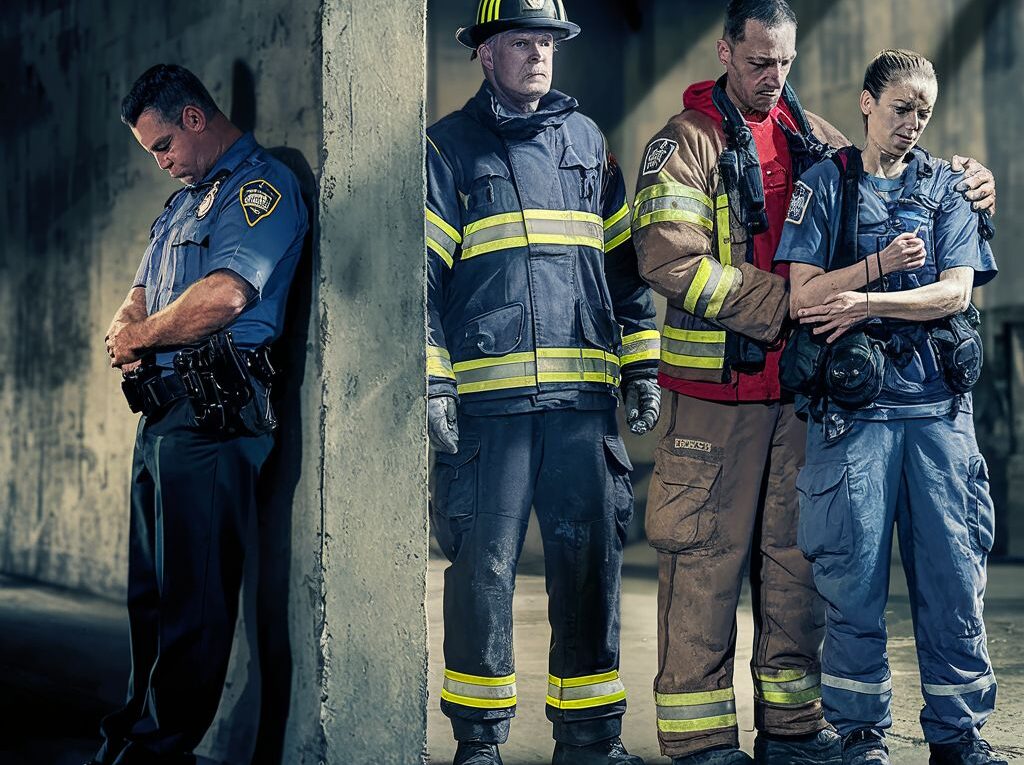
First responders play a vital role in society, often putting their lives on the line to protect and serve their communities. Whether they are police officers, firefighters, paramedics, or emergency medical technicians (EMTs), these individuals are the frontline responders to various emergencies, ranging from accidents and natural disasters to crimes and medical crises. Their commitment to duty and bravery in the face of danger are commendable, but it comes at a significant cost to their mental well-being.
The nature of their work exposes first responders to traumatic incidents on a regular basis. They witness scenes of devastation, human suffering, and often death, which can have a profound impact on their psychological and emotional health. While the public often recognizes the physical dangers faced by first responders, the toll that repeated exposure to trauma takes on their mental health is less acknowledged and understood.

Direct trauma, such as experiencing or witnessing a violent crime, a catastrophic fire, or a life-threatening medical emergency, is commonly associated with the work of first responders. However, there’s another aspect of trauma that is equally concerning yet often overlooked: secondary trauma. Secondary trauma, also known as vicarious trauma or compassion fatigue, refers to the emotional and psychological distress experienced by individuals who are indirectly exposed to traumatic events through their work.
Unlike direct trauma, which involves experiencing the traumatic event firsthand, secondary trauma occurs when first responders witness or are exposed to the aftermath of traumatic incidents involving victims, survivors, or even their colleagues. This can include comforting survivors of a car accident, consoling family members at the scene of a tragedy, or responding to the distress calls of fellow first responders struggling with mental health issues. Over time, the cumulative effect of exposure to such trauma can take a significant toll on the mental health and well-being of first responders.
The phenomenon of secondary trauma is particularly prevalent among professions that deal with human suffering and crisis situations on a regular basis, such as law enforcement, firefighting, and emergency medical services. Despite its prevalence, secondary trauma often goes unrecognized and unaddressed, leading to serious consequences for the mental health of first responders. Left unchecked, secondary trauma can result in a range of mental health challenges, including depression, anxiety, post-traumatic stress disorder (PTSD), and an increased risk of suicide.
While much attention has been rightfully given to the physical safety and well-being of first responders, there’s a critical need to prioritize their mental health as well. Suicide prevention within the first responder community requires a comprehensive approach that addresses the unique challenges and vulnerabilities associated with their line of work. By recognizing the importance of addressing secondary trauma and its implications for suicide prevention, we can better support the mental health and well-being of those who dedicate their lives to serving and protecting others.
Understanding Secondary Trauma:
Secondary trauma, also known as vicarious trauma or compassion fatigue, is a phenomenon that profoundly affects individuals who are indirectly exposed to traumatic events through their work. This condition is particularly prevalent among professions that involve regularly encountering distressing situations, such as first responders, therapists, social workers, and healthcare providers.
For first responders, secondary trauma arises from their continuous exposure to traumatic incidents while on duty. While they may not be directly involved in the traumatic event, they often witness its aftermath, including the emotional distress of victims, survivors, and even their fellow colleagues. This exposure can occur in various contexts, from responding to accidents, crimes, and natural disasters to providing medical assistance in high-stress situations.
The emotional and psychological toll of secondary trauma is significant and can manifest in various ways. First responders may experience symptoms such as intrusive thoughts, flashbacks, emotional numbness, heightened anxiety, and a profound sense of helplessness. Over time, the cumulative effect of exposure to trauma can erode their resilience and coping mechanisms, leaving them vulnerable to mental health challenges such as depression, anxiety disorders, and post-traumatic stress disorder (PTSD).
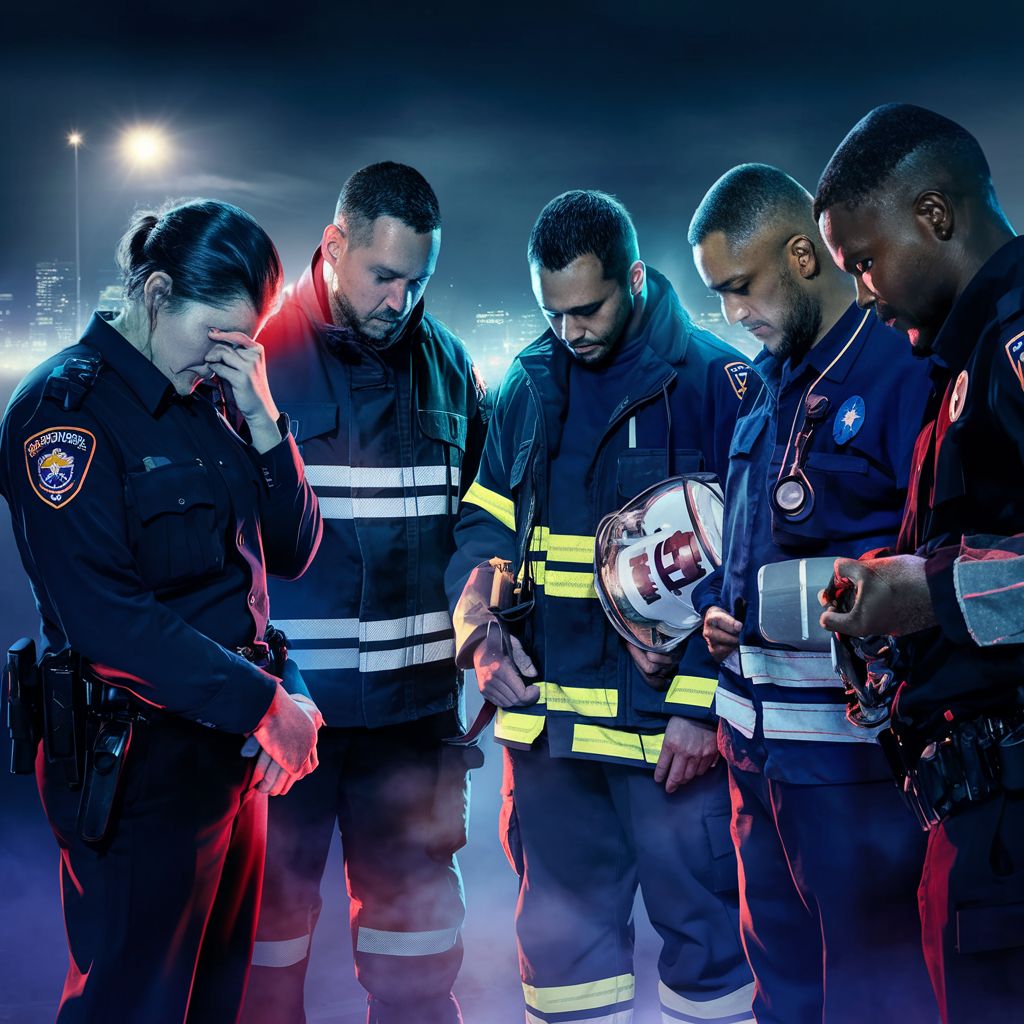
One of the distinguishing features of secondary trauma is its insidious nature. Unlike direct trauma, which involves a single traumatic event, secondary trauma accumulates over time through repeated exposure to distressing incidents. This chronic exposure can lead to a gradual deterioration of mental health and well-being, often going unnoticed until symptoms become severe.
Moreover, the impact of secondary trauma extends beyond the individual first responder to their relationships, work performance, and overall quality of life. The emotional toll of witnessing suffering and tragedy can strain personal relationships, leading to social withdrawal, marital problems, and feelings of isolation. In the workplace, secondary trauma can impair decision-making, decrease productivity, and contribute to a negative work environment.
Perhaps most concerning is the link between secondary trauma and suicide risk among first responders. The constant exposure to trauma can exacerbate underlying mental health issues and increase the likelihood of suicidal ideation and behavior. The culture of stoicism and self-sacrifice prevalent in many first responder communities may further deter individuals from seeking help until they reach a crisis point.
Addressing secondary trauma requires a comprehensive approach that encompasses both individual and organizational strategies. First responders need access to mental health resources, including counseling, peer support programs, and trauma-focused therapies, to help them process their experiences and develop healthy coping mechanisms. Organizations must prioritize the mental health and well-being of their personnel by implementing policies that promote a supportive work environment, reduce stigma surrounding mental health issues, and provide adequate resources for self-care and resilience-building.
In conclusion, understanding and addressing secondary trauma is essential for safeguarding the mental health and well-being of first responders. By recognizing the impact of repeated exposure to trauma and implementing proactive measures to support their resilience and recovery, we can mitigate the risk of mental health challenges and suicide within this critical workforce. It’s time to prioritize the mental health of those who dedicate their lives to serving and protecting others.
Recognizing the Signs of Secondary Trauma:
Identifying the signs of secondary trauma is crucial for promoting early intervention and prevention strategies among first responders. These individuals regularly face traumatic events in the line of duty, and the emotional toll of such experiences can be profound. Understanding and recognizing the symptoms of secondary trauma is essential for providing timely support and resources to those in need.
1. Emotional Withdrawal or Numbness:
First responders experiencing secondary trauma may exhibit emotional withdrawal or numbness. They might seem detached or emotionally distant, disconnecting themselves from their surroundings or relationships. This emotional numbness serves as a coping mechanism to shield themselves from the overwhelming feelings associated with the trauma they’ve witnessed.
2. Increased Irritability or Anger:
Another common symptom of secondary trauma is increased irritability or anger. First responders may become easily frustrated or agitated, reacting impulsively or explosively to minor stressors. This heightened emotional response can strain relationships with colleagues, friends, and family members, leading to conflicts and misunderstandings.
3. Persistent Sadness or Hopelessness:
Feelings of persistent sadness or hopelessness are often indicative of secondary trauma. First responders may struggle to find joy or satisfaction in their personal or professional lives, experiencing a sense of despair or futility. These feelings may be exacerbated by the constant exposure to human suffering and tragedy in their work environment.
4. Difficulty Sleeping or Nightmares:
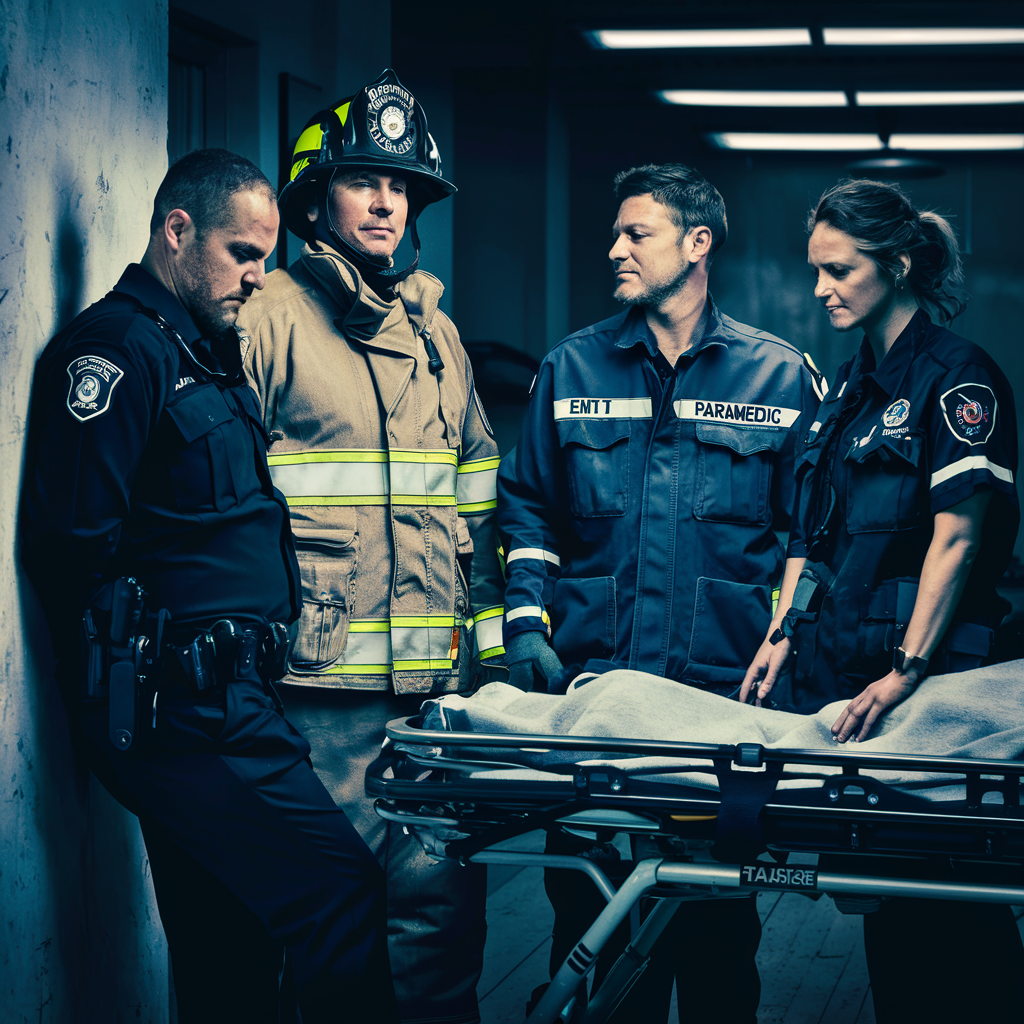
Sleep disturbances, including difficulty falling asleep, staying asleep, or experiencing nightmares, are common symptoms of secondary trauma. First responders may struggle to relax and unwind after a stressful shift, experiencing intrusive thoughts or memories related to traumatic incidents. These sleep disturbances can further exacerbate feelings of fatigue and emotional distress.
5. Flashbacks or Intrusive Thoughts Related to Traumatic Incidents:
Flashbacks and intrusive thoughts are hallmark symptoms of post-traumatic stress disorder (PTSD) and can also occur in individuals experiencing secondary trauma. First responders may find themselves reliving traumatic incidents in vivid detail, experiencing intense emotions and physical sensations associated with the event. These intrusive memories can be triggered by reminders or cues in their environment, making it difficult to focus or concentrate on daily tasks.
6. Avoidance of Work-Related Responsibilities or Triggers:
Avoidance behaviors are common coping mechanisms used by individuals experiencing secondary trauma to avoid reminders or triggers of traumatic events. First responders may avoid certain work-related responsibilities or assignments that remind them of past traumatic incidents. They may also avoid specific locations or situations that trigger distressing memories or emotions.
7. Substance Abuse or Self-Medication:
Substance abuse or self-medication is a concerning symptom of secondary trauma among first responders. Some individuals may turn to drugs or alcohol as a way to cope with the emotional pain and distress associated with their work. Substance abuse can further exacerbate mental health issues and increase the risk of addiction, accidents, and impaired judgment.
8. Relationship Problems or Social Withdrawal:
Secondary trauma can strain personal relationships and lead to social withdrawal among first responders. They may struggle to connect with others or engage in meaningful interactions, preferring to isolate themselves from social situations. Relationship problems may arise due to communication difficulties, emotional distancing, or conflicts stemming from unresolved trauma-related issues.
It’s essential for colleagues, supervisors, and loved ones to be vigilant and supportive of first responders experiencing these symptoms. Many first responders may be reluctant to seek help due to stigma or fear of repercussions. By fostering a culture of support, understanding, and empathy, we can create a safe environment where individuals feel comfortable seeking assistance and accessing the resources they need to heal and recover from secondary trauma. Early intervention and proactive support are key to mitigating the long-term impact of secondary trauma and promoting the mental health and well-being of first responders.
Impact on Suicide Risk:
The intersection of secondary trauma and suicide risk among first responders represents a complex and multifaceted challenge. While these individuals are trained to respond to emergencies and crises with courage and professionalism, the cumulative effect of exposure to trauma can have profound implications for their mental health and well-being, increasing their vulnerability to suicidal ideation and behavior.
First responders regularly encounter traumatic incidents in the course of their duties, whether it’s responding to accidents, crimes, medical emergencies, or natural disasters. The constant exposure to human suffering, tragedy, and death can take a significant toll on their psychological and emotional resilience over time. Secondary trauma, resulting from witnessing or being indirectly exposed to traumatic events, can gradually erode their coping mechanisms and sense of self-efficacy, leaving them vulnerable to mental health challenges, including depression, anxiety, and post-traumatic stress disorder (PTSD).
One of the key factors contributing to the heightened suicide risk among first responders is the culture of stoicism and self-sacrifice prevalent within their communities. There is often an expectation for first responders to maintain a facade of strength and composure, even in the face of overwhelming stress and trauma. This culture of silence and self-reliance may deter individuals from seeking help or disclosing their struggles to others, fearing stigma, judgment, or perceived weakness.
Moreover, the nature of the first responder profession itself can act as a barrier to seeking help for mental health issues. Shift work, long hours, exposure to critical incidents, and the inherent unpredictability of emergency response can make it challenging for individuals to prioritize their own well-being. Additionally, concerns about the potential impact of seeking help on their career prospects or professional reputation may further dissuade first responders from reaching out for support until they reach a crisis point.
The consequences of untreated mental health issues and unaddressed secondary trauma can be devastating, with suicide representing a tragic endpoint for some first responders. Studies have shown that first responders are at a significantly higher risk of suicide compared to the general population, with rates varying across different occupational groups within the first responder community.
Addressing the intersection of secondary trauma and suicide risk among first responders requires a multifaceted approach that encompasses both individual and systemic interventions. Providing comprehensive mental health support, including access to confidential counseling, peer support programs, and trauma-informed therapies, is essential for mitigating the impact of secondary trauma and promoting resilience among first responders.
Moreover, efforts to challenge the culture of silence and stigma surrounding mental health issues within first responder organizations are critical. Creating a supportive and psychologically safe work environment where individuals feel comfortable seeking help and discussing their experiences openly can help reduce barriers to care and encourage early intervention.
Training programs aimed at increasing awareness of mental health issues, suicide prevention strategies, and effective coping mechanisms can also play a vital role in equipping first responders with the tools and resources they need to protect their mental well-being. By prioritizing the mental health of those who dedicate their lives to serving and protecting others, we can work towards reducing the prevalence of suicide among first responders and ensuring that they receive the support and care they deserve.
Addressing Stigma and Barriers to Care:
The stigma surrounding mental health and help-seeking behavior poses significant barriers to suicide prevention among first responders. Despite the prevalence of mental health challenges within these professions, there is often a culture of silence and stigma that discourages individuals from seeking help or disclosing their struggles to others. Addressing this stigma and fostering a culture of support and acceptance are essential steps towards promoting mental health and well-being among first responders.
1. Fostering a Culture of Support and Openness:
To effectively prevent suicide among first responders, it’s essential to challenge the stigma surrounding mental health issues and create a supportive work environment where individuals feel comfortable discussing their experiences and seeking assistance. This involves promoting open dialogue, empathy, and understanding within first responder organizations, as well as addressing misconceptions and stereotypes about mental illness.
2. Providing Comprehensive Mental Health Resources:
In addition to addressing stigma, there’s a critical need for comprehensive mental health resources and support services tailored to the unique needs of first responders. This includes access to confidential counseling, peer support programs, and specialized treatment for trauma-related conditions such as post-traumatic stress disorder (PTSD). Providing timely and accessible mental health care is essential for addressing the psychological consequences of exposure to trauma and reducing the risk of suicide among first responders.
3. Offering Resilience Training:
Resilience training programs can play a vital role in equipping first responders with the skills and strategies they need to cope with the stress and trauma inherent in their profession. These programs focus on building emotional resilience, enhancing coping mechanisms, and promoting self-care practices such as mindfulness, stress management, and healthy lifestyle habits. By empowering first responders to effectively manage stress and adversity, resilience training can help mitigate the impact of secondary trauma and reduce the risk of mental health issues and suicide.
4. Improving Education and Awareness:
Education and awareness initiatives are essential for promoting mental health literacy and suicide prevention within first responder organizations. Training programs aimed at increasing awareness of mental health issues, suicide risk factors, and available resources can help reduce stigma, enhance help-seeking behavior, and foster a culture of care and support. By providing first responders with the knowledge and skills to recognize the signs of mental distress and intervene effectively, education and awareness efforts can save lives and promote a healthier, more resilient workforce.
In conclusion, addressing stigma and barriers to care is essential for effective suicide prevention among first responders. By fostering a culture of support, openness, and acceptance, providing comprehensive mental health resources and support services, offering resilience training, and improving education and awareness, we can create a safer and healthier environment for those who dedicate their lives to serving and protecting others. It’s time to prioritize the mental health and well-being of first responders and ensure that they receive the support and care they need to thrive in their challenging and noble profession.
Implementing Protective Factors:
In addition to addressing risk factors and barriers to care, promoting protective factors is crucial for building resilience and supporting the mental well-being of first responders. Protective factors are aspects of a person’s life or environment that enhance their ability to cope with stress, adversity, and trauma. By promoting protective factors, organizations and individuals can create a supportive and nurturing environment that fosters resilience and reduces the risk of mental health issues and suicide among first responders.
1. Fostering a Sense of Community and Camaraderie:
Building a strong sense of community and camaraderie within first responder organizations is essential for promoting mental well-being and resilience. This involves creating opportunities for team-building activities, peer support groups, and social gatherings where individuals can connect with their colleagues and build supportive relationships. A strong support network can provide a sense of belonging, validation, and solidarity, helping first responders feel less isolated and better equipped to cope with the challenges of their profession.
2. Providing Opportunities for Debriefing and Emotional Expression:
Encouraging open communication and emotional expression is vital for processing traumatic experiences and preventing the accumulation of secondary trauma among first responders. Regular debriefing sessions, facilitated by trained professionals, provide a safe space for individuals to share their thoughts, feelings, and reactions to critical incidents. These sessions promote reflection, validation, and normalization of emotional responses, reducing the risk of emotional burnout and compassion fatigue.
3. Encouraging Self-Care Practices:
Promoting self-care practices is essential for helping first responders maintain their physical, emotional, and psychological well-being. Encouraging individuals to prioritize self-care activities such as exercise, mindfulness, and hobbies outside of work can help them recharge and replenish their energy reserves. These activities serve as important outlets for stress relief, relaxation, and emotional regulation, helping first responders cope more effectively with the demands of their profession.
4. Prioritizing Organizational Policies and Practices:
Organizational policies and practices play a crucial role in supporting the mental health and safety of first responders. Agencies should prioritize the well-being of their workforce by implementing policies that address workload, scheduling, and staffing issues. Adequate staffing levels and reasonable work hours reduce the risk of burnout and fatigue, ensuring that first responders have the resources and support they need to perform their duties effectively. Additionally, providing access to proper equipment, resources, and training enhances safety and promotes confidence among first responders, reducing the risk of traumatic incidents and their impact on mental health.
By investing in the holistic well-being of their workforce, agencies can mitigate the impact of secondary trauma and create a culture of health and resilience within first responder organizations. By promoting protective factors such as community support, emotional expression, self-care practices, and organizational support, we can help first responders thrive in their challenging and demanding profession while reducing the risk of mental health issues and suicide. It’s essential to recognize the critical role that protective factors play in supporting the mental well-being of those who dedicate their lives to serving and protecting others.
Conclusion:
In conclusion, addressing the issue of suicide prevention for first responders requires a holistic and multi-faceted approach. By recognizing the profound impact of secondary trauma on the mental health of these dedicated professionals, we can take significant strides towards reducing the risk of suicide within their ranks. It’s imperative to foster a culture of support, openness, and acceptance within first responder communities, where individuals feel empowered to seek help without fear of stigma or reprisal. Moreover, providing access to comprehensive mental health resources, support services, and protective factors is essential for building resilience and promoting well-being. By prioritizing the mental health of our first responders and implementing proactive measures to mitigate the effects of secondary trauma, we can honor their sacrifice and ensure they receive the care and support they deserve.
15 FAQs with Answers:
1. What is secondary trauma?
– Secondary trauma, also known as vicarious trauma or compassion fatigue, refers to the emotional and psychological distress experienced by individuals who are indirectly exposed to traumatic events through their work.
2. What are the signs of secondary trauma in first responders?
– Signs of secondary trauma may include emotional withdrawal, increased irritability, difficulty sleeping, avoidance of triggers, and substance abuse.
3. How does secondary trauma contribute to suicide risk among first responders?
– Secondary trauma can erode coping mechanisms and resilience, making individuals more vulnerable to suicidal ideation and behavior.
4. What are some barriers to mental health care for first responders?
– Barriers may include stigma, fear of repercussions, lack of awareness, and inadequate access to resources.
5. How can first responder organizations promote mental health awareness?
– Organizations can provide education, training, and resources on mental health issues, as well as foster a culture of openness and support.
6. What are protective factors for first responders’ mental health?
– Protective factors include social support, resilience-building activities, adequate staffing, and access to proper resources and equipment.
7. How can colleagues support a first responder experiencing secondary trauma?
– Colleagues can offer non-judgmental listening, encouragement to seek help, and assistance with accessing support services.
8. What role do organizational policies play in suicide prevention for first responders?
– Organizational policies should prioritize mental health, provide resources and support, and address systemic issues contributing to stress and trauma.
9. Are there specific mental health resources tailored to first responders?
– Yes, there are specialized counseling services, peer support programs, and trauma-focused therapies available for first responders.
10. What can first responders do to prioritize their own mental health?
– First responders can practice self-care, seek peer support, engage in stress-reduction activities, and know when to seek professional help.
11. How can family members support a first responder’s mental health?
– Family members can offer understanding, encouragement, and a safe space for open communication, as well as help connect their loved one with resources if needed.
12. Are there warning signs that a first responder may be at risk of suicide?
– Warning signs may include changes in behavior, mood, sleep patterns, and substance use, as well as expressions of hopelessness or despair.
13. What should I do if I’m concerned about a first responder’s mental health?
– Express your concerns openly and non-judgmentally, listen actively, and encourage them to seek professional help or support resources.
14. How can we reduce the stigma surrounding mental health in first responder communities?
– By promoting education, awareness, and open dialogue, we can challenge stigma and foster a culture of acceptance and support.
15. What resources are available for first responders struggling with mental health issues?
– Resources include confidential counseling services, peer support groups, crisis hotlines, and online self-help tools.