
Childhood Trauma and Adult Suicide Risk: Healing and Recovery
Childhood Trauma and Adult Suicide Risk: Healing and Recovery
Read Disclaimer
Discover how childhood trauma impacts adult mental health and suicide risk, and learn strategies for healing and recovery. Explore trauma-informed approaches to care, supportive relationships, self-care practices, and advocacy for trauma survivors.
Introduction
Childhood trauma represents a profound and often overlooked aspect of mental health, with far-reaching implications for individuals throughout their lives. Defined as experiences of abuse, neglect, or adverse events during early development, childhood trauma can leave lasting imprints on a person’s physical, emotional, and psychological well-being. These experiences can vary widely, ranging from physical or sexual abuse to emotional neglect or household dysfunction.
Extensive research has demonstrated a significant association between childhood trauma and various mental health issues in adulthood. Individuals who have experienced trauma during childhood are at a heightened risk of developing conditions such as depression, anxiety, post-traumatic stress disorder (PTSD), and substance abuse later in life. Moreover, perhaps most alarmingly, childhood trauma has been strongly linked to an increased risk of suicidal behavior in adulthood.
The relationship between childhood trauma and adult suicide risk is complex and multifaceted. Trauma survivors may struggle with feelings of worthlessness, hopelessness, and despair stemming from their early experiences. They may also face challenges in regulating their emotions and coping with stressors, which can contribute to suicidal ideation and behavior. Additionally, the impact of childhood trauma on brain development and neural pathways can further exacerbate susceptibility to mental health issues and suicide risk.
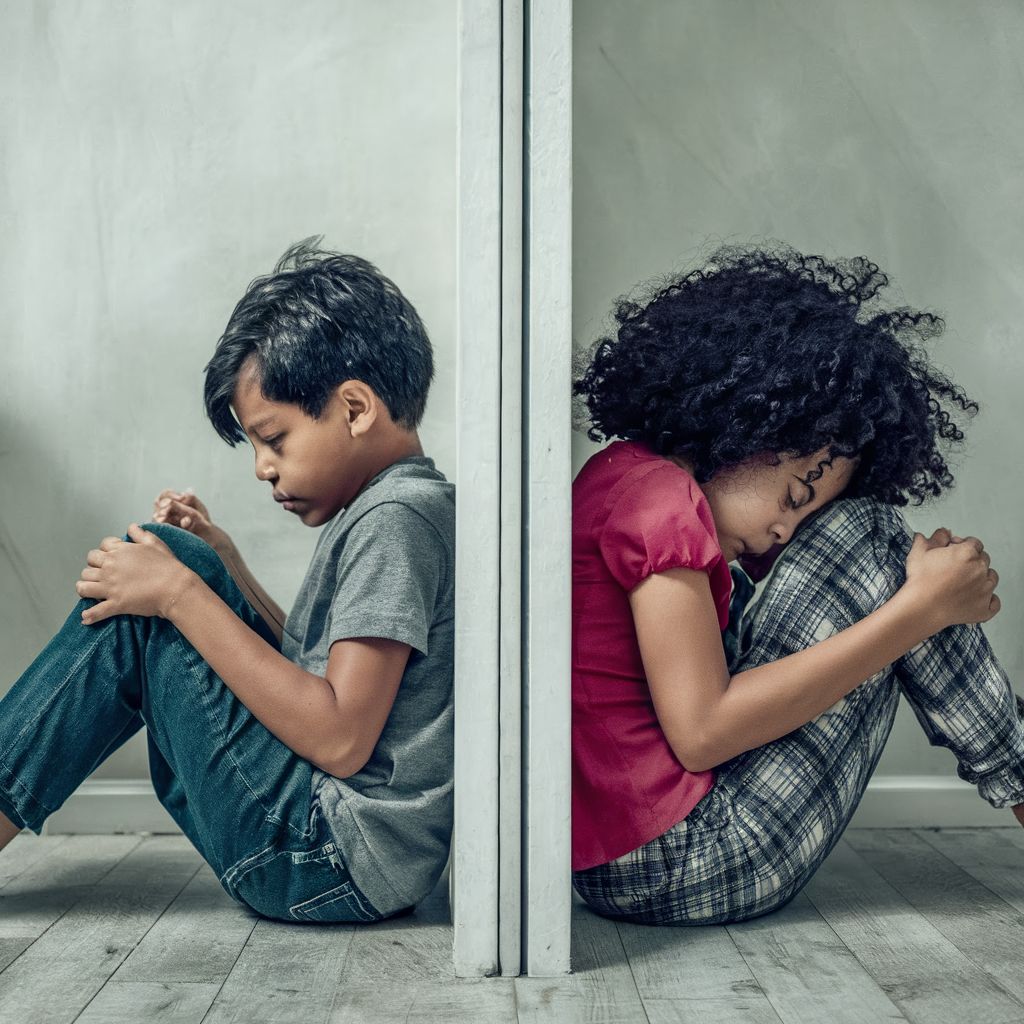
Despite the profound challenges posed by childhood trauma, it’s essential to recognize that healing and recovery are possible. Through trauma-informed approaches to care, supportive relationships, self-care practices, and access to appropriate treatment and resources, individuals can navigate the journey towards healing and reclaiming their lives.
In this comprehensive blog, we will delve into the intricacies of childhood trauma and its link to adult suicide risk. We will explore the impact of trauma on mental health outcomes, highlighting the resilience and strength of survivors. Moreover, we will provide strategies and resources for healing and recovery, empowering individuals to embark on a path towards healing and hope. By shedding light on this critical issue and offering guidance and support, we aim to foster understanding, compassion, and resilience in the face of childhood trauma and its enduring effects.
Childhood trauma is a complex and multifaceted phenomenon that encompasses a wide range of adverse experiences occurring during a person’s formative years. These experiences can vary widely in nature and severity, from physical or sexual abuse to emotional neglect, household dysfunction, community violence, accidents, or natural disasters. Regardless of the specific form it takes, childhood trauma fundamentally disrupts a child’s sense of safety, security, and trust in the world.
Children who experience trauma often find themselves navigating challenging and distressing situations that are far beyond their capacity to cope. The trauma they endure can have profound and long-lasting effects on their development and well-being, shaping their beliefs, behaviors, and relationships well into adulthood. The effects of childhood trauma can be pervasive, impacting various domains of functioning, including physical health, emotional regulation, cognitive functioning, and social relationships.
One of the most significant consequences of childhood trauma is its impact on mental health. Traumatic experiences can significantly increase the risk of developing mental health issues such as post-traumatic stress disorder (PTSD), depression, anxiety, and substance abuse disorders. Children who experience trauma may exhibit symptoms of PTSD, such as intrusive memories, nightmares, hypervigilance, and avoidance of trauma-related triggers. These symptoms can profoundly affect their daily functioning and quality of life, making it challenging to navigate relationships, school, work, and other aspects of life.
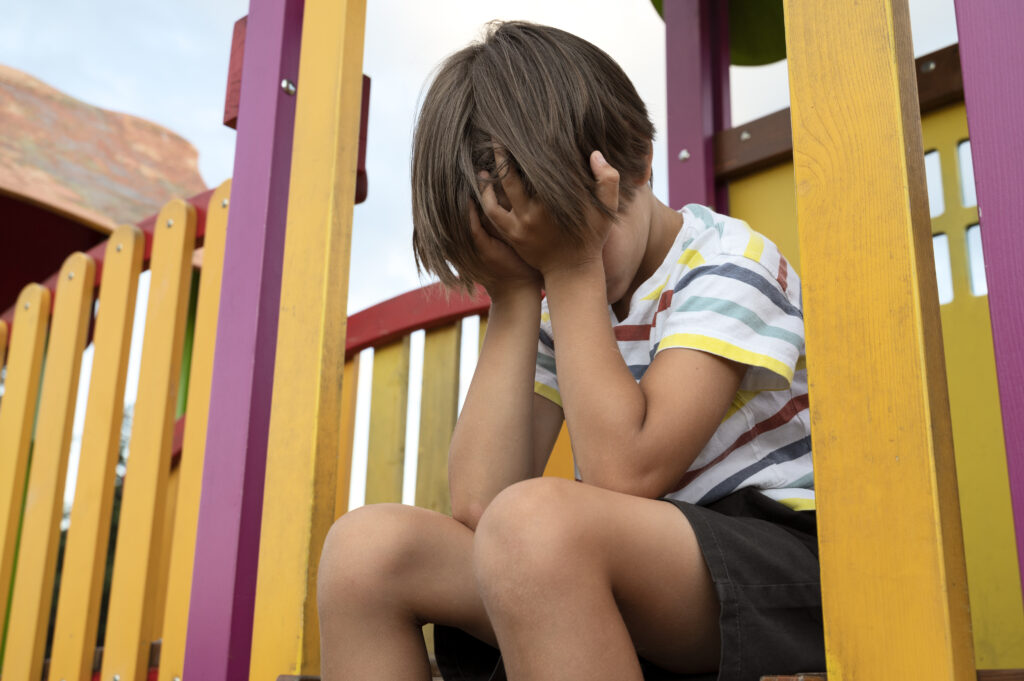
Moreover, the effects of childhood trauma often extend far beyond the immediate aftermath of the traumatic event. Many trauma survivors continue to grapple with the lingering effects of their experiences well into adulthood. The unresolved trauma can manifest in various ways, leading to ongoing struggles with mood disorders, behavioral problems, attachment issues, and difficulties forming and maintaining healthy relationships.
Importantly, childhood trauma has been strongly linked to an increased risk of suicidal behavior later in life. Trauma survivors may experience feelings of worthlessness, hopelessness, and despair stemming from their early experiences. These feelings, coupled with challenges in regulating emotions and coping with stressors, can significantly elevate the risk of suicidal ideation and behavior. Additionally, the impact of childhood trauma on brain development and neural pathways can further exacerbate susceptibility to mental health issues and suicide risk.
Overall, childhood trauma represents a significant public health concern with far-reaching implications for individuals, families, and communities. Understanding the complex and varied nature of childhood trauma is essential for implementing effective prevention, intervention, and treatment strategies. By providing trauma-informed care, promoting resilience, and offering support and resources to trauma survivors, we can work towards breaking the cycle of trauma and fostering healing and recovery.
Understanding the Link to Suicide Risk:
The link between childhood trauma and an increased risk of suicidal behavior in adulthood is a complex and multifaceted phenomenon that involves various biological, psychological, and social factors. Numerous studies have highlighted the strong association between childhood trauma and heightened suicide risk, shedding light on the intricate interplay of these factors.
Biologically, childhood trauma can have profound effects on the body’s stress response systems, leading to dysregulation of the hypothalamic-pituitary-adrenal (HPA) axis and alterations in neurotransmitter activity. When individuals experience chronic or severe stress during childhood, their bodies may become sensitized to stressors, leading to exaggerated physiological responses to subsequent stressors later in life. This dysregulation of stress hormones and neurotransmitters can contribute to the development of psychiatric disorders such as depression, anxiety, and post-traumatic stress disorder (PTSD), which are well-established risk factors for suicidal behavior.
Psychologically, childhood trauma can shape the way individuals perceive themselves, others, and the world around them, influencing their cognitive and emotional responses to stressors. Trauma survivors may internalize negative beliefs about themselves, such as feelings of worthlessness, shame, and self-blame, which can erode their sense of self-worth and increase their vulnerability to suicidal ideation and behavior. Moreover, trauma survivors may struggle with emotion regulation, impulsivity, and distress tolerance, making it difficult for them to cope with intense emotional pain and suicidal impulses. Without effective coping mechanisms and support systems in place, trauma survivors may turn to self-destructive behaviors, including suicide, as a means of escape from their emotional suffering.

Socially, childhood trauma can disrupt the development of healthy social support networks and interpersonal relationships, leaving individuals feeling isolated, disconnected, and misunderstood. Trauma survivors may have difficulty forming and maintaining close relationships, trusting others, and seeking help when needed. The lack of social support and perceived burdensomeness can exacerbate feelings of loneliness and alienation, further increasing the risk of suicidal behavior. Additionally, trauma survivors may face stigma, discrimination, and victim-blaming attitudes from others, which can compound their feelings of shame and hopelessness.
In summary, the link between childhood trauma and suicide risk is complex and multifaceted, involving biological, psychological, and social factors that interact and influence one another. Understanding these factors is essential for developing effective prevention and intervention strategies that address the unique needs of trauma survivors and reduce their risk of suicidal behavior. By providing trauma-informed care, promoting resilience and coping skills, and fostering supportive relationships and communities, we can help trauma survivors heal and thrive, reducing their risk of suicide and promoting overall well-being.
Strategies for Healing and Recovery:
Healing and recovery from childhood trauma is a complex and deeply personal journey, but it’s essential to recognize that it is possible with the right support and resources. Trauma-informed approaches to care prioritize safety, empowerment, and collaboration, recognizing the strengths and resilience of trauma survivors. Here are some strategies for healing and recovery for individuals who have experienced childhood trauma:
- Therapy and Counseling: Psychotherapy, particularly trauma-focused therapies such as cognitive-behavioral therapy (CBT), eye movement desensitization and reprocessing (EMDR), and dialectical behavior therapy (DBT), can be highly effective in helping trauma survivors process their experiences and develop coping skills. Therapy provides a safe and supportive space for trauma survivors to explore their thoughts and feelings, challenge negative beliefs, and build resilience. Through therapy, individuals can learn to regulate their emotions, manage distressing symptoms, and develop healthy coping strategies for navigating life’s challenges.
- Supportive Relationships: Cultivating supportive relationships with trusted friends, family members, peers, or support groups is crucial for healing from childhood trauma. Social support provides validation, empathy, and encouragement, reducing feelings of isolation and fostering a sense of belonging and connection. Building and maintaining healthy relationships can help trauma survivors rebuild trust, improve self-esteem, and experience emotional healing. Support groups, in particular, offer a unique opportunity for individuals to connect with others who have had similar experiences, share insights and coping strategies, and provide mutual support and encouragement.
- Self-Care Practices: Engaging in self-care practices that promote physical, emotional, and psychological well-being can support healing and recovery from childhood trauma. This may include regular exercise, which has been shown to reduce symptoms of depression and anxiety, improve mood, and boost self-esteem. Healthy eating habits, adequate sleep, and relaxation techniques such as meditation or mindfulness can also help reduce stress and promote emotional well-being. Creative expression through art or music, spending time in nature, and pursuing hobbies or interests that bring joy and fulfillment can further enhance resilience and foster a sense of purpose and meaning in life.
- Mindfulness and Grounding Techniques: Mindfulness-based practices and grounding techniques can be valuable tools for trauma survivors in managing distressing symptoms and regulating their nervous system. Mindfulness involves bringing awareness to the present moment without judgment, allowing individuals to observe their thoughts and emotions with acceptance and compassion. Mindfulness practices such as meditation, deep breathing, and body scans can help individuals cultivate a sense of calm and presence amidst difficult emotions and experiences. Grounding techniques, such as focusing on the five senses or using physical sensations to anchor oneself in the present moment, can help individuals stay connected to reality and reduce feelings of dissociation or overwhelm.
- Education and Advocacy: Educating oneself about the effects of childhood trauma, the process of healing and recovery, and available resources and support services is empowering for trauma survivors. By understanding the impact of trauma on their lives and learning about effective coping strategies and treatment options, individuals can take an active role in their healing journey. Advocating for trauma-informed care, trauma-sensitive policies, and greater access to mental health services can help ensure that all individuals affected by childhood trauma receive the support and resources they need to thrive. By raising awareness about the prevalence and impact of childhood trauma, advocating for systemic change, and promoting trauma-informed approaches to care, trauma survivors and their allies can work together to create a more supportive and healing environment for all.
Conclusion:
In conclusion, childhood trauma significantly increases the risk of mental health issues and suicidal behavior in adulthood. However, healing and recovery are possible through trauma-informed approaches to care, supportive relationships, self-care practices, mindfulness techniques, education, and advocacy. By understanding the complex factors contributing to the link between childhood trauma and suicide risk, and implementing comprehensive strategies for healing and recovery, we can create environments where trauma survivors feel empowered to reclaim their lives and thrive.
FAQs:
- What is childhood trauma?
– Childhood trauma refers to adverse experiences such as abuse, neglect, or household dysfunction during early development.
- How does childhood trauma affect mental health?
– Childhood trauma can lead to mental health issues such as depression, anxiety, PTSD, and suicidal behavior in adulthood.
- What are trauma-informed approaches to care?
– Trauma-informed care emphasizes safety, empowerment, and collaboration, recognizing the strengths and resilience of trauma survivors.
- How can supportive relationships help with healing?
– Cultivating supportive relationships provides validation, empathy, and encouragement, reducing feelings of isolation and fostering a sense of belonging.
- What are self-care practices for trauma survivors?
– Self-care practices include regular exercise, healthy eating, adequate sleep, mindfulness, relaxation techniques, and pursuing hobbies or interests.
- What are mindfulness and grounding techniques?
– Mindfulness involves bringing awareness to the present moment without judgment, while grounding techniques help individuals stay connected to the present and regulate their nervous system.
- How can education and advocacy support healing?
– Educating oneself about childhood trauma and advocating for trauma-informed care and greater access to mental health services empowers trauma survivors and promotes systemic change.
- What role does therapy play in healing from childhood trauma?
– Therapy, particularly trauma-focused therapies such as CBT, EMDR, and DBT, can help trauma survivors process their experiences, regulate emotions, and develop coping skills.
- How common is childhood trauma?
– Childhood trauma is more common than often realized, with millions of individuals worldwide experiencing adverse childhood experiences.
- Can childhood trauma be prevented?
– While some forms of childhood trauma may be preventable through early intervention and support services, addressing systemic issues such as poverty, violence, and discrimination is crucial for preventing trauma.
- How does childhood trauma affect brain development?
– Childhood trauma can impact brain development, particularly regions involved in emotion regulation, stress response, and executive function, potentially leading to long-term effects on cognitive and emotional functioning.
- Are there different types of childhood trauma?
– Yes, childhood trauma can encompass various types, including physical, sexual, or emotional abuse, neglect, household dysfunction, community violence, accidents, or natural disasters.
- Can childhood trauma affect physical health?
– Yes, childhood trauma is linked to an increased risk of physical health issues such as chronic pain, cardiovascular disease, autoimmune disorders, and substance abuse in adulthood.
- What are adverse childhood experiences (ACEs)?
– Adverse childhood experiences (ACEs) are traumatic events occurring before age 18, as measured by the ACEs questionnaire, which has been linked to negative health outcomes in adulthood.
- Where can trauma survivors find support and resources?
– Trauma survivors can find support and resources through mental health professionals, support groups, crisis hotlines, community organizations, and online resources.